Affordable garden maintenance near Chingford Station quotes
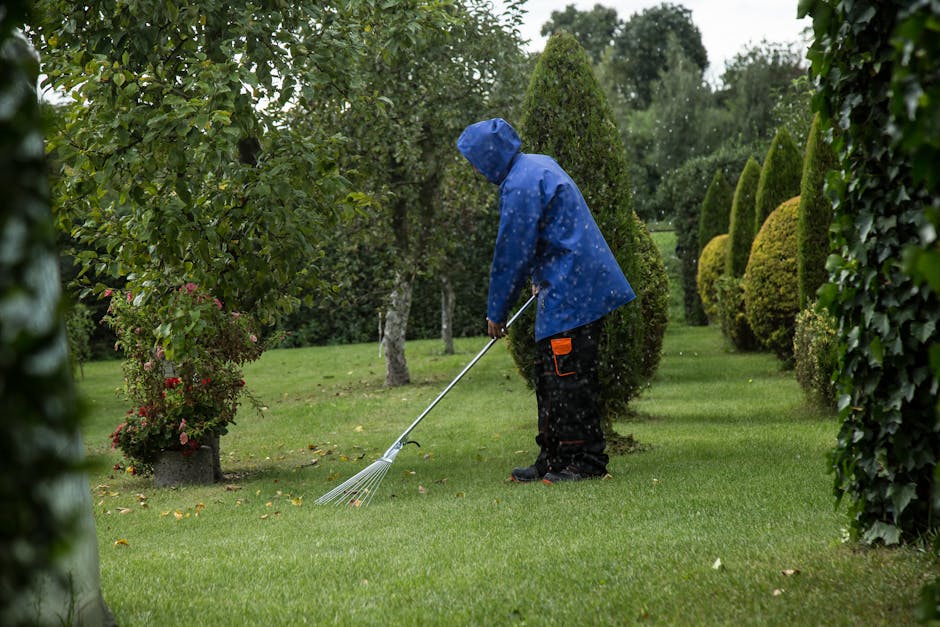
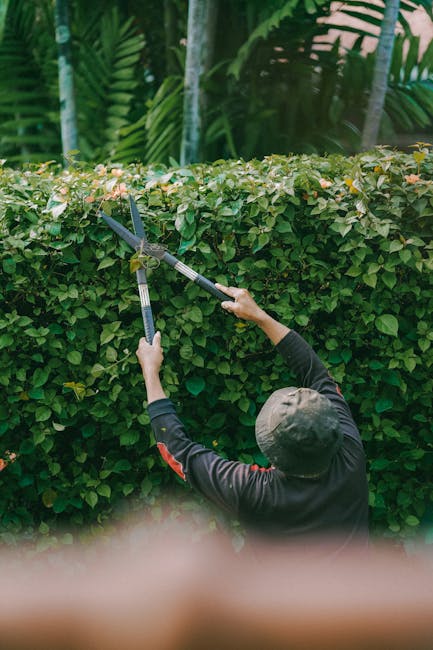
If you're comparing Affordable garden maintenance near Chingford Station quotes, you're probably looking for a simple answer to a messy question: how do you keep a garden looking cared for without paying over the odds? Fair question. Around Chingford Station, gardens can range from compact front plots to larger, leafier spaces that need regular attention, and the right maintenance plan can make a real difference to both appearance and cost.
This guide breaks down what affordable garden maintenance usually includes, how quotes are built, what affects price, and how to spot good value rather than just the cheapest number. You'll also find a practical checklist, common mistakes to avoid, and a few real-world pointers to help you make a confident decision. If you're comparing services, it can help to start by looking at the broader garden services overview and the detail on garden maintenance options.
Table of Contents
- Why Affordable garden maintenance near Chingford Station quotes Matters
- How Affordable garden maintenance near Chingford Station quotes Works
- Key Benefits and Practical Advantages
- Who This Is For and When It Makes Sense
- Step-by-Step Guidance
- Expert Tips for Better Results
- Common Mistakes to Avoid
- Tools, Resources and Recommendations
- Law, Compliance, Standards, or Best Practice
- Options, Methods, or Comparison Table
- Case Study or Real-World Example
- Practical Checklist
- Conclusion
- Frequently Asked Questions
Why Affordable garden maintenance near Chingford Station quotes Matters
Garden maintenance sounds straightforward until you actually try to budget for it. One quote includes mowing and edging, another adds hedge cutting, weeding, leaf clearance, and waste removal, and suddenly you're comparing apples with pears. That's why affordability matters, but so does clarity. A low headline price can be great, though only if you know what's included.
For homes and managed properties near Chingford Station, regular upkeep often saves money in the long run. Overgrown lawns, thick hedges, and neglected borders don't just look untidy; they can also become more time-consuming to restore. A garden that gets small, regular visits is usually easier to manage than one left to become a weekend project nobody wants. To be fair, most people know this already. The tricky bit is finding a cost that fits real life.
Affordable maintenance is also about consistency. If a garden is tended little and often, it tends to stay under control. That means fewer emergency clear-ups, fewer "we'll sort it later" moments, and less stress when guests are coming or a tenancy check is due. And in the middle of winter, when the light disappears by late afternoon and the lawn looks more grey than green, having a simple schedule can make the whole place feel calmer.
Expert summary: the best value isn't always the cheapest quote. It's the one that matches your garden's actual needs, gives clear inclusions, and avoids surprise add-ons later on.
How Affordable garden maintenance near Chingford Station quotes Works
Most garden maintenance quotes are built from a few basic elements: the size of the garden, the type of work needed, how often the service is required, and whether waste has to be removed from site. A tidy small patio garden with a straightforward mow is very different from a mature garden with hedges, borders, trees, and a lot of seasonal debris. Obviously, the quote should reflect that.
In practical terms, a provider will usually ask about the condition of the garden, the access to the property, and the kind of finish you want. Some people want a quick reset; others want an ongoing monthly or fortnightly maintenance plan. If you're unsure what level of help you need, it may be worth reviewing the main garden maintenance service alongside specific tasks like lawn mowing or hedge trimming.
Quotes are usually more accurate when you're honest about the state of the space. If the garden has not been touched for months, say so. If there are brambles, heavy leaf fall, or awkward access through a side gate, mention that too. It saves time and, frankly, it saves everyone that awkward "oh, we didn't realise" conversation later.
For larger jobs, a quote may separate routine maintenance from one-off tidy work. That distinction matters. Routine maintenance keeps things on track. A one-off tidy-up gets the garden back into shape. Mixing the two in your mind can make a quote look expensive when it's simply covering more work than you expected.
Key Benefits and Practical Advantages
The most obvious benefit is cost control. With a clear quote, you know what you're paying for and can compare providers on a like-for-like basis. But there are some quieter benefits that matter just as much.
- Better presentation: neat lawns, trimmed edges, and tidy borders instantly lift the look of a property.
- Less overwhelm: small recurring visits prevent the garden from building up into a huge task.
- Improved plant health: regular pruning, weeding, and clearing helps beds breathe and grow properly.
- Seasonal flexibility: maintenance can shift with the weather, from leaf clearance in autumn to lawn care in spring.
- Predictable spending: regular service often makes budgeting easier than sporadic emergency call-outs.
There's also a practical lifestyle benefit that people sometimes underestimate. When the garden is under control, you use it more. You sit outside for a cup of tea. You notice the borders again. Kids can play without stepping over branches. The place feels cared for, which sounds small until you live with it every day.
If your outside space also needs more structural work, such as new surfaces or a complete redesign, it may be worth looking at related services like landscaping, landscape gardening, or even decking services. Maintenance and improvement often work best together, not separately.
Who This Is For and When It Makes Sense
Affordable garden maintenance near Chingford Station is a good fit for a wide mix of people. It's not only for people with large gardens or high budgets. In fact, smaller gardens can benefit even more because a few missed jobs can make them feel cramped very quickly.
It usually makes sense if you are:
- a homeowner who wants the garden to stay presentable without spending every weekend on it
- a landlord who needs the outdoor space to look decent between tenancies
- a tenant who wants to keep a private garden manageable
- a busy family trying to avoid the "we'll do it next week" cycle
- an older resident who wants ongoing help with heavier or repetitive tasks
- someone preparing a property for sale or a new arrival
It also makes sense after a period of neglect. Maybe the lawn has gone patchy, the hedges have shot up, or the garden has become a magnet for windblown leaves. In those cases, a one-off clearance followed by routine maintenance can be the smarter route. That's where services like garden clearance can be useful before you move into a maintenance schedule.
There's no shame in needing help, by the way. Gardens are living spaces, not a moral test. If it's become too much, that's just life.
Step-by-Step Guidance
If you want the clearest route to a fair quote, follow a simple process. Nothing fancy, just a bit of structure.
- Walk the garden properly. Look at the lawn, edges, borders, hedges, paths, and any problem spots. Note what genuinely needs doing.
- Decide what type of service you need. Is this a one-off tidy-up, regular maintenance, or a seasonal refresh?
- Measure the basics if you can. Rough garden size, number of hedges, and any access challenges help quotes become more accurate.
- Be clear about waste. Ask whether clippings, branches, and green waste are included or priced separately.
- Ask for a written quote. A clear written breakdown is easier to compare than a quick phone estimate.
- Check what's excluded. Sometimes extras like tree work, heavy clearance, or specialist pruning sit outside standard maintenance.
- Compare value, not just price. A slightly higher quote can still be better if it includes more of the work you actually need.
If you are comparing regular packages, ask how often the work is scheduled and whether the visit can be adjusted seasonally. A garden near a station area can pick up dirt, litter, or leaf fall more quickly than you expect, especially after breezy weather. Tiny thing, but it matters.
A good provider should also explain the practical side: arrival times, likely duration, equipment used, and how the garden will be left afterwards. That kind of clarity builds trust fast.
Expert Tips for Better Results
A few small choices can make a surprising difference to both cost and outcome. These are the details that often separate a decent quote from a genuinely good one.
1. Bundle tasks sensibly. If the team is already on site, it can be more efficient to combine mowing, edging, weeding, and hedge trimming in one visit. That doesn't mean cramming everything in, but it does mean thinking practically.
2. Keep the garden accessible. Clearing toys, furniture, bins, and hosepipes before a visit can save time. It sounds obvious, yet it comes up more often than you'd think.
3. Work with the seasons. Autumn leaf fall, spring growth spurts, and summer mowing demand different things. A flexible schedule is often better value than repeating the same tasks year-round.
4. Be specific about finish levels. "Tidy" can mean different things to different people. If you want sharp edges and a crisp cut, say so. If you only need the basics under control, say that too.
5. Ask how long the price is valid. It is a small detail, but useful. Quotes sometimes change when conditions change, so having a timeframe helps.
And one more thing: ask what happens if the garden is worse than expected on the day. Not in a suspicious way, just in a sensible way. It's better to know whether the provider will pause and re-quote, or simply talk you through the change.
Common Mistakes to Avoid
People usually get tripped up in the same few places. Not because they're careless, just because gardens can be surprisingly tricky to cost properly.
- Choosing on price alone. The cheapest quote can leave out waste removal, hedge work, or the time needed for a proper finish.
- Not defining the task. A quote for maintenance is not the same as a quote for restoration or clearance.
- Forgetting seasonal growth. A garden that looks fine in early spring may need much more attention by midsummer.
- Ignoring access issues. Narrow side entrances, shared paths, or limited parking can affect how a job is priced.
- Assuming all gardeners include disposal. Green waste handling is not always automatic.
- Skipping written confirmation. Without a written quote, it is much harder to compare fairly later.
Another common mistake is asking for "a bit of everything" without prioritising. That's understandable, but it can muddle the quote. A better approach is to say what matters most right now: lawn care, hedge reduction, border tidy-up, or a complete reset. Straightforward wins, every time.
Tools, Resources and Recommendations
You do not need specialist knowledge to request a sensible quote, but a few simple tools help.
- Phone photos: take pictures in daylight from different angles. They help explain the condition of the garden far better than a rushed description.
- Notes app or paper list: jot down the jobs you want done, especially anything easy to forget like edging, pruning, or weeding.
- Rough measurements: even approximate lengths of hedges or borders can improve quoting accuracy.
- Calendar reminders: useful if you want maintenance every two, four, or six weeks rather than just one visit.
- Simple priority list: separate urgent work from nice-to-have extras so you can stay within budget.
If you want to explore the wider service mix before requesting a quote, the most relevant pages are usually services overview, lawn mowing, and hedge trimming. For larger overgrown spaces, it may also help to review garden clearance. That gives you a better sense of whether you need ongoing maintenance, a one-off tidy, or both.
Small recommendation from experience: take note of what you actually dislike most about the garden. It might be the overgrown back corner, the uneven lawn, or the mess after windy weather. Start there. Budgets stretch better when you're focused.
Law, Compliance, Standards, or Best Practice
For most domestic garden maintenance jobs, the main concern is not complex regulation but sensible practice. That said, a trustworthy provider should still work safely, communicate clearly, and treat your property with care.
Useful best-practice points include:
- Insurance awareness: a reputable business should be able to explain how it handles public liability and job-related risk. If that matters to you, the site's insurance and safety information is worth reading.
- Safe working methods: tools, ladders, and cutting equipment should be used with care, especially where hedges, walls, or uneven ground are involved.
- Waste handling: green waste should be managed responsibly and, where possible, recycled in line with normal garden industry practice. The recycling and sustainability page can give you a sense of that approach.
- Clear terms: pricing, cancellations, and job scope should be set out plainly. If you want the fine print, you can check the terms and conditions and the payment and security page.
If you have concerns about complaints, process, or how a service handles issues, it is sensible to review the provider's published policies. A well-run business should not be vague about that. Honestly, vague is rarely a good sign.
For customers who care about the company behind the work, the about us page can also help you judge whether the team sounds like a real local operation or just a glossy front. That judgement matters more than people admit.
Options, Methods, or Comparison Table
Here's a simple comparison to help you think about the main ways garden maintenance quotes are usually structured.
| Option | Best for | Typical strength | Main caution |
|---|---|---|---|
| One-off tidy-up | Overgrown gardens, pre-sale prep, post-winter recovery | Fast visual improvement | May not prevent future build-up |
| Regular maintenance | Busy households, rental homes, ongoing presentation | Predictable cost and steady control | Needs a schedule that suits the garden's growth rate |
| Seasonal maintenance | Gardens that need more help at certain times of year | Good balance between cost and care | Less suitable for very fast-growing spaces |
| Combined clearance and maintenance | Neglected gardens that need a reset first | Creates a workable starting point | Higher initial cost than simple upkeep |
In plain English: if your garden is already under control, routine care is usually best value. If it's gone beyond that, a clearance-first approach often makes more sense. There's no prize for pretending a jungle is "just a bit untidy."
Case Study or Real-World Example
Imagine a small-to-medium garden near Chingford Station with a lawn, a few borders, and two hedges. The owner wants it to look tidy every couple of weeks, but not polished to the point of fussiness. They've also got limited time because work and commuting have turned gardening into a weekend-afterthought.
A sensible approach would be to ask for a quote that covers mowing, edging, basic weeding, hedge maintenance, and green waste removal. If the hedges have overgrown badly, the quote may first include a reduction or a one-off trim, then switch to lighter upkeep later. That way, the price reflects the actual condition of the garden rather than an ideal version of it.
What usually happens in a case like this? The first visit takes longer. The garden looks dramatically better straight away. Then follow-up visits become quicker and cheaper because the work is maintenance rather than rescue. That's the key pattern, really. Fix the backlog once, then keep it sensible.
I've seen people hesitate because they think regular help sounds extravagant. Then they get the first tidy done and suddenly the whole house feels lighter. Bit of an overstatement, maybe, but only a little.
Practical Checklist
Use this checklist before requesting or accepting a quote:
- Know whether you want a one-off visit or ongoing maintenance
- List the exact jobs you want done
- Take a few clear photos of the garden
- Note any access issues, parking limits, or locked gates
- Check whether waste removal is included
- Ask if the quote covers all labour and materials
- Find out how the provider handles weather delays
- Confirm whether the price is fixed or may change if the job differs
- Compare value, not just the lowest number
- Keep a copy of the written quote for reference
If you want a more structured starting point, reviewing the main pricing and quotes information can help you understand how the service frames cost and what to ask next.
Conclusion
Finding affordable garden maintenance near Chingford Station is really about balancing three things: fair price, clear scope, and dependable service. Get those right, and the garden becomes easier to live with, easier to enjoy, and easier to keep that way. Get them wrong, and even a cheap quote can end up feeling expensive.
The best next step is simple. Look at what your garden actually needs today, decide whether you need a one-off reset or ongoing care, and ask for a quote that spells everything out in plain English. No drama, no hidden extras, no guesswork. Just a practical plan that fits your space and your budget.
Get a free quote today and see how much you can save.
And if you're still on the fence, that's normal. A good garden plan should feel like a relief, not another chore.
Frequently Asked Questions
What does affordable garden maintenance usually include?
It often includes mowing, edging, weeding, hedge trimming, basic pruning, and general tidy-up work. Some providers also include waste removal, but not always, so it's best to check.
How do I know if a quote is good value?
A good-value quote is clear about what's included, how often the work will happen, and whether extras like waste disposal are covered. The lowest price is not always the best value if it leaves out key tasks.
Is a one-off garden tidy cheaper than regular maintenance?
Usually yes for a single visit, but regular maintenance often works out better over time because the garden stays under control and needs less dramatic work later.
Can I get a quote if my garden is overgrown?
Yes. In fact, overgrown gardens are common. It just helps to be honest about the condition so the quote reflects the real amount of work needed.
Do I need to be at home when the gardener visits?
Not always, but it depends on access, gates, and the way the job is arranged. Some people prefer to be present for the first visit at least, which is fair enough.
What affects the price most?
Garden size, access, the amount of growth, whether waste needs removing, and how often the work is required are usually the biggest factors.
How often should garden maintenance happen?
That depends on the garden. Some spaces need fortnightly care in the growing season, while others only need monthly or seasonal visits. Growth rate is the real guide, not a fixed rule.
Does hedge trimming cost more than lawn mowing?
Often it can, because hedges may take more time, equipment, and cleanup. But it depends on height, length, and how dense the growth is.
Should I ask for a written quote?
Yes. A written quote is much easier to compare, and it helps avoid misunderstandings about scope, timing, and price later on.
What if I need both clearance and ongoing maintenance?
That is very common. A one-off clearance can reset the garden, then regular maintenance keeps it manageable. It's often the smartest route for neglected spaces.
How can I keep maintenance costs down?
Keep the garden accessible, request only the jobs you really need, and stay on a regular schedule so the work never becomes too heavy. Small, steady visits are usually cheaper than big rescue jobs.
Where can I learn more about the service before booking?
You can start with the services overview, then check the details for garden maintenance, lawn mowing, and hedge trimming. That usually gives a clear picture before you ask for a quote.