Best gardening ideas for small Chingford E4 front gardens
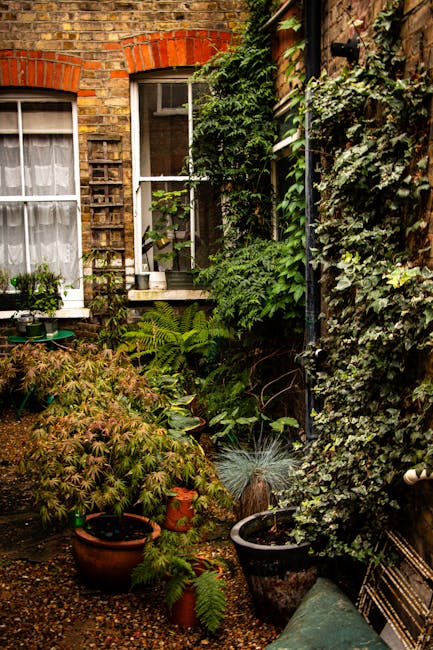
If your front garden in Chingford feels more like a narrow strip than a proper garden, you are not alone. Many E4 homes have compact front spaces that still need to work hard: they should look welcoming from the street, stay manageable through the seasons, and fit around bins, paths, drives, fences, and the odd awkward corner. The good news? The best gardening ideas for small Chingford E4 front gardens do not rely on big budgets or a giant plot. They rely on smart structure, the right planting, and a few choices that make the whole space feel calmer and more finished.
In this guide, we will look at what works best in a small front garden, how to shape the space so it feels bigger, and which plants, materials, and maintenance habits actually make life easier. We will also cover common mistakes, practical comparisons, and a realistic step-by-step approach you can use whether you want a tidy low-maintenance frontage or a more polished, design-led entrance.
Why Best gardening ideas for small Chingford E4 front gardens Matters
A small front garden sets the tone before anyone reaches the front door. That sounds obvious, but it is easy to underestimate how much a tidy, well-planted frontage changes the feel of a house. In Chingford, where homes range from older terraces to post-war semis and newer infill properties, front gardens often need to do several jobs at once: soften hard paving, add privacy, improve kerb appeal, and still leave room for practical access.
There is also the local reality of city living. Front gardens can collect road dust, leaf fall, muddy footprints, and the usual wear that comes with everyday use. If the layout is awkward, maintenance can become a chore. If the planting is wrong, things can look messy quickly. Truth be told, a lot of front gardens fail because they were designed for a magazine photo rather than a Tuesday morning in October.
The best gardening ideas for small Chingford E4 front gardens matter because they solve real problems. They help you create order without making the space feel rigid. They make a small area feel intentional rather than cramped. And if you ever decide to sell, a good front garden quietly does a lot of work for first impressions. Not dramatic. Just effective.
Key takeaway: In a compact front garden, every design choice needs to earn its place. Structure, plant height, surface materials, and maintenance all matter more than sheer size.
How Best gardening ideas for small Chingford E4 front gardens Works
The basic principle is simple: make a small space feel more open, balanced, and useful by reducing visual clutter and choosing features that pull their weight. That usually means combining three layers. First, the hard landscaping: paths, edging, steps, or a small paved area. Second, the planting structure: shrubs, evergreens, climbers, and seasonal colour. Third, the practical finish: lighting, bins, fencing, watering, and maintenance access.
In a front garden, design needs to guide the eye. A straight line of tired shrubs across the front of the house can make everything feel flat. A more thoughtful mix of heights, textures, and repeated planting often feels bigger, even when the footprint is tiny. One neat evergreen, one or two flowering plants, and a clean path can look more elegant than a packed border with no breathing room.
Small front gardens also work best when they are easy to maintain from the start. That usually means fewer plant types, stronger repeat planting, and surfaces that do not trap too much mud. If you want the garden to stay good-looking in wet weather, think about drainage and edging early on. Wet clay, compacted soil, and foot traffic can turn a lovely idea into a squelchy mess very quickly. Nobody wants that, least of all on a frosty January morning.
If the space is very limited, the design may also involve reducing lawn or removing it entirely. A tiny patch of grass can be hard to mow cleanly and often looks neglected if it is too small to justify the effort. In many small E4 front gardens, a simpler paved or planted scheme works better than trying to force a lawn to perform miracles.
Key Benefits and Practical Advantages
The obvious benefit is that a small front garden can look better. But there is more to it than neatness.
- Improved kerb appeal: A well-planned frontage makes a house look cared for, even before anyone steps inside.
- Lower maintenance: Good planting choices reduce constant pruning, edging, and replanting.
- Better use of space: A compact layout can still include seating, planting, path access, and screening.
- Year-round interest: Evergreens, bark, grasses, and seasonal bulbs keep the garden from looking bare in winter.
- More privacy: Strategic planting can soften sightlines from the street without making the garden feel boxed in.
- Practical access: A smarter layout makes bins, bikes, prams, and delivery access easier.
There is also a quieter benefit: the space feels calmer. That matters more than people think. If your front garden greets you with a bit of greenery and order every day, it changes the mood of coming home. Small thing, perhaps. But you notice it.
For homeowners thinking about value, a tidy front garden is rarely wasted effort. It is not about over-investing. It is about creating a low-fuss front space that feels coherent and maintained, rather than patchy and forgotten.
Who This Is For and When It Makes Sense
This approach suits a wide range of Chingford properties. If your front garden is small, overlooked, awkwardly shaped, or tired, it is a strong fit. It is especially useful if you are:
- trying to improve a tired frontage without a full rebuild
- looking for low-maintenance garden ideas that still feel attractive
- dealing with a narrow or shallow front plot
- wanting privacy from passers-by without heavy fencing
- planning to replace a patchy lawn or mixed, overgrown planting
- aiming to make the entrance look cleaner and more welcoming
It also makes sense if you do not have much time for gardening. Let's be honest, many people like the idea of gardening more than the reality of constant trimming. A small, well-designed front garden can give you the look you want without a weekend of chores every few days.
If you are the kind of person who wants things neat but not fussy, this is for you. If you want a bold show garden with lots of seasonal change, that can work too, but the design needs to be tighter and more deliberate. Small spaces do not forgive vague decisions.
Step-by-Step Guidance
1. Start with the function of the space
Before planting anything, decide how the front garden needs to behave. Does it need to frame the house? Hide bins? Give you a path to the door? Improve privacy? Stop mud from being dragged in? Once you know the job, the design becomes much easier. This is where many people skip ahead and buy plants first. A classic mistake, really.
2. Measure the space and note the problem spots
Measure the width and depth, then note where the space gets the most shade, where water sits after rain, and where people naturally walk. In a small garden, a single awkward corner can dominate the whole layout. If a wall creates shade for much of the day, choose plants that cope with less light rather than trying to force sun-lovers to behave.
3. Choose one clear design direction
Small front gardens work best when they have a clear style. You might go for crisp and modern with gravel, evergreen structure, and clean edges. Or you might prefer cottage-inspired planting with softer shapes and seasonal colour. The point is to avoid mixing too many ideas. A little bit of contrast is good. Too much becomes visual noise.
4. Build the hard landscaping first
Paths, edging, steps, paving, and any retaining features should come before planting. These are the bones of the garden. If the hard landscaping is weak, the planting will have to work too hard. A simple, neat path can do more for a small front garden than a dozen extra plants.
5. Use layered planting, but keep it disciplined
Think in layers: a low ground layer, a mid-height structural layer, and perhaps one vertical feature such as a climber or small multi-stem tree if space allows. Repeat plants where possible. Repetition creates calm. It also makes the space feel planned rather than random.
6. Add at least one evergreen backbone
Evergreens stop the space from disappearing in winter. In a small front garden, they are particularly useful because they give structure when flowering plants are resting. Even a few well-placed evergreen shrubs can keep the border looking intentional through the colder months.
7. Finish with edging, mulch, and a maintenance plan
Good edging keeps grass and borders separate. Mulch helps suppress weeds and retain moisture. A simple maintenance routine matters too: a quick check each week, a seasonal tidy-up, and a proper prune when needed. If you want the garden to look good without fuss, this final step is non-negotiable.
Expert Tips for Better Results
Small front gardens tend to look best when they are calm, not crowded. That sounds easy, but it takes judgement. Here are a few practical points that make a real difference.
- Use fewer plant varieties: Three to five good choices repeated well usually beat a jumble of ten.
- Go for year-round shape: Choose plants that still look presentable when not in bloom.
- Keep heights controlled: Plants that grow too tall can block windows or make the entrance feel boxed in.
- Match plants to the light: Front gardens in E4 can vary a lot between sunny and shaded spots, so buy for the conditions you actually have.
- Use scent near the path: A rosemary, lavender, or other aromatic plant near the front path gives a pleasant welcome on warm days.
- Leave some empty space: Breathing room makes plants look more intentional. Overfilling is one of those things that sounds efficient but often looks messy.
One thing we often see is people choosing small plants because the garden is small. That is not always the right move. Sometimes a single larger shrub or a slim tree creates more order than lots of tiny plants that disappear into the background. Scale matters. So does confidence. A garden can look timid if every plant is too small for the space.
If you want privacy, think in soft layers rather than a solid wall. A living screen can feel warmer and more welcoming than a blank fence line. If that idea appeals, it may be worth looking at ideas similar to the approach used in tall potted garden plants for screening, especially where ground space is tight.
And a small aside: do not underestimate the power of a good clean edge. Sometimes the most impressive thing in a front garden is not the flowers. It is the tidiness.
Common Mistakes to Avoid
Small gardens are unforgiving in a very ordinary way. They do not hide muddle well. A few mistakes come up again and again.
- Planting too densely: It may look full on day one, but it usually becomes crowded, messy, and hard to maintain.
- Ignoring drainage: Waterlogged corners can ruin both plants and paving.
- Choosing high-maintenance plants by accident: Some shrubs and climbers need far more clipping than people expect.
- Using too many colours: A scattered colour palette can make a tiny space look busy rather than vibrant.
- Forgetting winter interest: Many front gardens look good for six weeks and tired for the other forty-six.
- Blocking access: A gorgeous planting scheme is not much use if it makes the front door awkward to reach.
A less obvious mistake is overlooking how the garden looks from inside the house. You will see this space from the hallway, the front room, and maybe the kitchen too. A front garden should work from both sides of the window. If it only looks good from the pavement, it is only doing half the job.
Another common issue is starting with no maintenance plan. Small spaces can go from sharp to scruffy in a couple of weeks if the plants are fast growers. So choose with the future in mind, not just the first photo.
Tools, Resources and Recommendations
You do not need a massive toolkit, but a few basics will save time and make the work cleaner.
- Spade and border fork: For planting, edging, and improving compacted soil.
- Secateurs: Essential for tidying shrubs and deadheading flowers.
- Hand trowel: Good for planting bulbs and smaller perennials.
- Wheelbarrow or garden trug: Helpful when moving soil, mulch, or removed waste.
- Measuring tape: Simple, but it prevents costly guesswork.
- Gloves and kneeling pad: Small comforts, but worth it on longer jobs.
For larger clean-ups, many homeowners start by removing old borders, weeds, rubble, or tired timber. That stage can make the whole project feel more manageable. If your front garden has become cluttered over the years, a professional garden clearance service can be a practical first step before any redesign begins.
For ongoing upkeep, a structured garden maintenance routine is often the difference between a front garden that looks cared for and one that slowly drifts. If you want the entrance to stay neat through the season, this is one of the simplest ways to protect your investment of time and money.
In some cases, the best improvement is not planting at all but reshaping the space with paths, beds, or edging. That is where landscape gardening or broader landscaping work may be more useful than piecemeal changes. It depends on the condition of the garden and how much you want to change.
Law, Compliance, Standards, or Best Practice
For most front gardens, there is no complicated legal process just because you want to improve the planting. That said, there are a few sensible boundaries to keep in mind. If your front garden borders a public pavement, driveway, or shared access route, make sure nothing obstructs safe passage. Overhanging branches, loose paving, and trip hazards are worth dealing with quickly.
If you are changing fencing, retaining walls, drainage, or access points, it is wise to check whether the work could trigger planning or boundary issues. Local circumstances matter, especially in areas with narrower plots or shared frontage arrangements. If the garden is close to the highway, do not let soil, gravel, or plant growth spill into the pavement area.
Good practice also matters from a safety and quality point of view. Materials should be laid properly, edges should be secure, and any tree work should be handled carefully. Where tree removal or major pruning is involved, a specialist approach is best. That is particularly true if the tree is near a boundary, roofline, or utility service. In those cases, a dedicated tree lopping and removal service may be the safer route.
If you are hiring help, check that the company has sensible safety procedures, appropriate insurance, and clear pricing. Those things are not glamorous, I know, but they matter. If you want extra reassurance, the site's insurance and safety information and health and safety policy are useful places to review how work is handled. For the practical side of budgeting, the pricing and quotes page can help set expectations before a project starts.
Options, Methods, or Comparison Table
There is no single right way to design a small front garden. The best choice depends on how much maintenance you want, how much privacy you need, and whether your priority is planting or structure. Here is a simple comparison.
| Approach | Best for | Pros | Watch-outs |
|---|---|---|---|
| Low-maintenance gravel and evergreen planting | Busy homeowners and narrow plots | Clean look, easy upkeep, strong winter structure | Needs good edging and weed control |
| Cottage-style mixed border | People who want softness and seasonal variety | Colour, texture, charm, pollinator-friendly feel | Can become crowded if not edited regularly |
| Paved frontage with statement containers | Very small or shaded front gardens | Flexible, tidy, easy to change seasonally | Needs careful styling so it does not feel bare |
| Soft screening with climbers or pots | Homes facing the street or close neighbours | Improves privacy without heavy barriers | Requires support, pruning, and proper placement |
| Full redesign with landscaping | Problem sites, awkward slopes, or major layout issues | Most transformative and long-lasting | Higher upfront effort and planning needed |
If your space is extremely small, containers and climbing plants can work beautifully. If you have a bit more depth, a mixed border with a strong backbone may be better. And if the whole front area feels badly arranged, a proper redesign can be the most efficient fix in the long run.
Case Study or Real-World Example
Imagine a modest Chingford semi with a narrow front garden, a short path to the door, and a patchy strip of tired lawn that never really recovered after wet weather. It looked flat from the street and felt a bit apologetic, to be honest. The owners wanted something smarter but did not want a high-maintenance showpiece.
The first step was removing the weak lawn and sharpening the layout. A clean path was kept, but the edges were redefined so the route to the door felt clearer. The planting plan used a small number of repeat evergreen shrubs, a couple of flowering perennials for seasonal lift, and low edging plants to soften the paving. A simple climbing plant was added near the front wall to bring some vertical interest without taking much ground space.
The result was not dramatic in a flashy sense. It was better than that. The front of the house suddenly looked settled. The path looked intentional. The planting felt fuller but not crowded. And because the garden was designed with upkeep in mind, it stayed attractive without becoming a weekly burden. That is usually the sweet spot for a small urban front garden: neat, welcoming, and not needy.
What made the biggest difference? Not one expensive feature. The combination of structure, restraint, and repetition. Honestly, that is often the winning formula.
Practical Checklist
Use this checklist if you are planning changes to a small front garden in Chingford E4.
- Define the main purpose of the space: privacy, kerb appeal, access, or low maintenance.
- Measure the plot and note any shade, drainage, or boundary issues.
- Decide on one clear style direction.
- Keep the planting palette limited and repeat key plants.
- Include at least one evergreen feature for year-round structure.
- Make sure the front path and entrance stay easy to use.
- Add edging to keep the space tidy.
- Choose plants suited to the actual light and soil conditions.
- Plan for winter as well as summer.
- Set a simple maintenance routine you can realistically keep up.
- Check whether any tree, fence, or drainage work needs extra care.
- Review clear pricing before committing to larger work.
If you can tick most of those boxes, you are in very good shape. And if you cannot, that is fine too. It simply means the design needs a bit more thought before planting begins.
Get a free quote today and see how much you can save.
Conclusion
The best gardening ideas for small Chingford E4 front gardens are rarely the most complicated ones. They are the ones that make the space clearer, calmer, and easier to live with. That might mean a simpler layout, better planting choices, stronger edging, or a full reset if the front garden has become tired and awkward over time.
Think of the space as a first impression that also has to work in real life. It should welcome people in, handle everyday wear, and look good without demanding too much from you. That balance is what makes a small front garden succeed. Not perfection. Just good judgement, tidy structure, and the right plants in the right places.
When done well, even a tiny frontage can feel like a proper part of the home. And that has a quiet kind of value all its own.
Frequently Asked Questions
What are the best low-maintenance plants for a small front garden in Chingford E4?
Evergreen shrubs, compact ornamental grasses, hardy perennials, and well-behaved climbers are often the best starting point. The key is to choose plants that suit the light and soil, not just the look you want on day one.
How do I make a small front garden look bigger?
Use a simple layout, repeat plants, keep edges clean, and avoid overcrowding. A clear path and a few strong structural plants usually make the space feel larger than lots of small features scattered everywhere.
Should I keep a lawn in a tiny front garden?
Usually only if it serves a real purpose and can be maintained properly. In many small front gardens, lawn becomes awkward to mow and visually shrinks the space, so paving or planting often works better.
How much maintenance does a small front garden need?
That depends on the design. A simple evergreen and gravel scheme may only need light regular upkeep, while a mixed flowering border will need more pruning, deadheading, and seasonal tidying.
Can I improve privacy without building a tall fence?
Yes. Screening plants, climbers, and strategically placed pots can soften the view from the street without making the garden feel closed in. It is usually better to layer privacy than to block it all at once.
What is the easiest way to update a tired front garden?
Start with clearance, then improve the structure. Removing dead plants, redefining the path edges, and adding a few reliable evergreen plants can transform the space surprisingly quickly.
Do I need permission to change my front garden?
Simple planting changes usually do not need permission, but bigger work involving drainage, walls, fencing, or access may need checking. If in doubt, get advice before you start.
What plants work well in shaded front gardens?
Shade-tolerant shrubs, ferns, hellebores, and certain evergreen ground covers can work well. The trick is to accept the shade rather than fighting it with sun-loving plants that will struggle.
Is gravel a good idea for small front gardens?
It can be, especially if you want a low-maintenance look. Good edging and weed control are important, though, otherwise it can start to look untidy quite fast.
How do I make a front garden look welcoming in winter?
Use evergreens, tidy structure, bark mulch, and plants with winter texture or stem colour. A winter-ready garden should still look deliberate even when nothing is flowering.
What should I avoid in a very small front garden?
Avoid overcrowding, oversized features, plants that grow too vigorously, and layouts that block access. Small gardens need restraint more than decoration.
When should I bring in a professional gardener or landscaper?
If the garden needs clearance, drainage work, structural changes, or a full redesign, it is often worth getting help. A professional can save time and stop costly mistakes, especially in small spaces where every detail shows.
If you are ready to turn a cramped, awkward frontage into something calmer and more welcoming, start with the basics and build from there. Small gardens can be beautifully done. Sometimes they are the most satisfying ones of all.