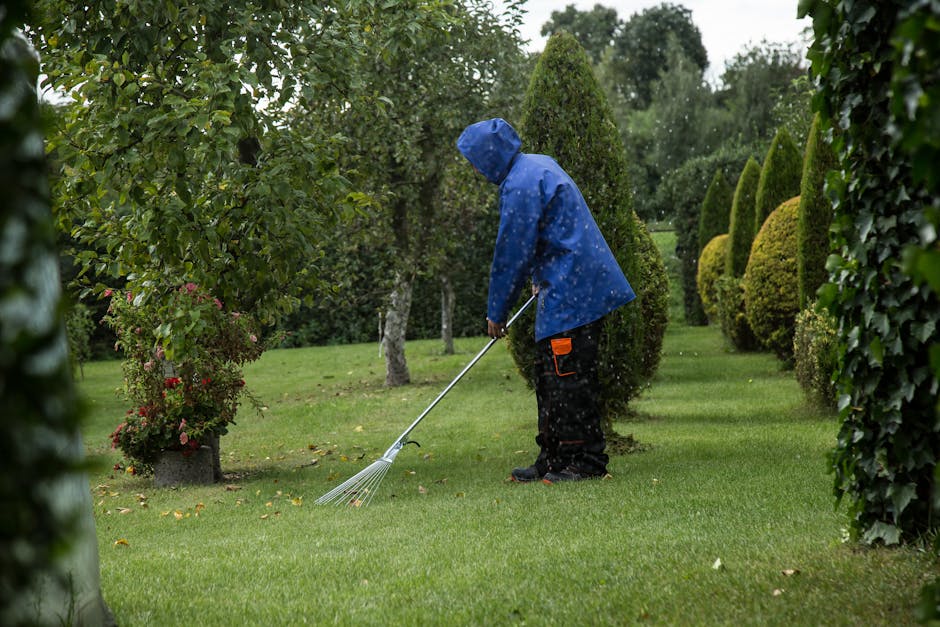
Same day gardener service in Chingford for emergency clearance
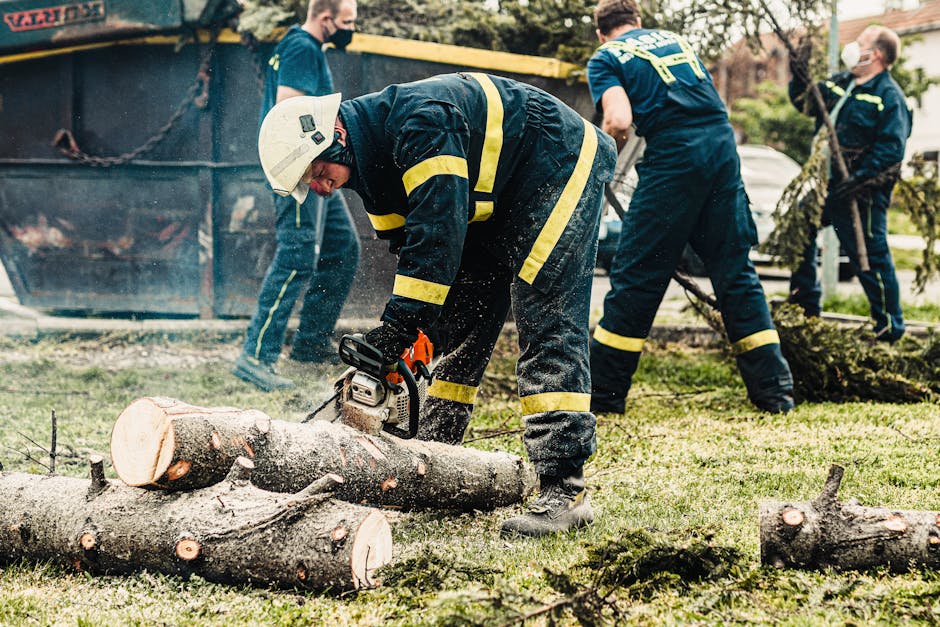
If your garden has suddenly become unsafe, untidy, or simply unmanageable, you do not need a long-winded plan. You need help today. A same day gardener service in Chingford for emergency clearance is designed for those awkward moments when fallen branches, storm debris, overgrown access paths, dumped waste, or a fast-building mess cannot wait until next week. Truth be told, these jobs often feel urgent because they affect safety, access, and peace of mind all at once.
This guide explains what emergency garden clearance involves, how same-day visits usually work, what to expect on the day, and how to choose the right help without adding more stress to the situation. It also covers practical risks, best practices, and a useful checklist so you can make a calm decision even if the garden itself looks a bit chaotic.
Why Same day gardener service in Chingford for emergency clearance Matters
Emergency clearance is not just about making a garden look neat. Often, it is about removing immediate hazards and restoring usable space before the problem gets worse. A blocked path, a fallen tree limb, or a heavy pile of green waste can become more than an eyesore. It can limit access, create trip risks, attract pests, or make it difficult for residents, visitors, or delivery drivers to move safely around the property.
In Chingford, where gardens range from compact town plots to larger family spaces, urgent issues tend to feel more noticeable because outdoor areas are often used every day. One windy evening can leave a fence line littered with branches. A few weeks of missed maintenance can turn a manageable hedge into something that swallows a path. It happens quickly. Too quickly, sometimes.
The value of same-day help is simple: it shortens the gap between problem and solution. That matters when you are preparing for tenants, handling a post-storm clean-up, dealing with an access issue, or just trying to get your own garden back under control before the weekend disappears. If the job is more than a quick tidy, a structured garden clearance service can be the right foundation for a safer, cleaner result.
Practical summary: emergency clearance is best used when safety, access, or urgent presentation matters more than waiting for a routine visit. The faster the response, the easier it is to stop a small problem becoming a bigger one.
How Same day gardener service in Chingford for emergency clearance Works
A same-day gardener callout usually starts with a quick assessment. That might happen over the phone, by message, or during a brief visit if the team is nearby. The aim is to understand what needs removing, how urgent the issue is, and whether there are any safety concerns such as unstable branches, slippery surfaces, hidden debris, or access restrictions.
In a real emergency, speed matters, but so does clarity. A good service will ask a few focused questions: What happened? Is anything blocking access? Are there trees, fences, or structures involved? Is there waste to be taken away? Do you need a full clear-up or just enough to make the space safe for now? Those questions are not delays. They help shape the right response.
Once the scope is clear, the team can arrive with the right equipment. That may include cutting tools, rakes, wheelbarrows, sacks, lifting gear, and waste transport arrangements. For more complex overgrowth or boundary issues, a broader service like services overview can help you understand how clearance sits alongside maintenance, trimming, and larger garden work.
On the day, the process usually follows a sensible pattern:
- Arrival and quick site walk-through.
- Risk check for broken limbs, sharp debris, slippery ground, or hidden obstructions.
- Immediate clearance of urgent hazards first.
- Removal of cut material, green waste, and loose debris.
- Final tidy so the area is safe and usable.
That last step is easy to overlook. But a garden that is technically "cleared" and still awkward to walk through is not much help, is it?
Key Benefits and Practical Advantages
The biggest advantage is obvious: you get help fast. But there are a few quieter benefits worth calling out, because they are often what people remember once the immediate panic has passed.
- Reduced safety risk: loose branches, damaged shrubs, and broken garden materials are removed before they cause more trouble.
- Restored access: paths, gates, side returns, and rear garden entrances can be reopened quickly.
- Less stress: when the mess is outside, it still weighs on you mentally. Getting it handled is a relief, plain and simple.
- Better presentation: if you are expecting guests, tenants, or an estate agent, a fast clearance can make the property feel cared for again.
- Prevention of knock-on damage: wet vegetation left against fences, walls, or paving can cause secondary issues if ignored.
There is also a practical money-saving angle. Letting a small emergency sit can turn it into a bigger job, especially after bad weather. A broken branch, for example, can drag other growth down with it. A neglected access route can become compacted, muddy, and more labour-intensive to clear later. In that sense, speed is not only about convenience; it can also be about limiting avoidable work.
For customers who want a regular plan after the urgent issue is dealt with, garden maintenance can be a sensible follow-on. It keeps things from sliding back into the same state two weeks later. Which, let's face it, is often the real problem.
Who This Is For and When It Makes Sense
This service is useful for more people than you might think. Emergency clearance is not only for dramatic storm damage. Sometimes it is for ordinary life getting in the way, or a garden that has quietly crossed the line from "needs attention" to "needs action today."
You may need it if you are:
- dealing with fallen branches, snapped hedging, or storm debris
- preparing a rental property for new tenants
- trying to make a garden safe for children, visitors, or older residents
- clearing overgrowth that is blocking doors, side paths, or bins access
- managing a garden after a long gap in upkeep
- looking at a cluttered outdoor space before builders, landscapers, or decorators arrive
It also makes sense when time is the real pressure. Perhaps you are moving out, hosting a family gathering, or trying to sort a property before a certain deadline. In those situations, a same-day visit can be the difference between a smooth day and a deeply annoying one.
If the garden has become overgrown rather than simply messy, services such as hedge trimming, lawn mowing, or even tree lopping and removal may form part of the wider solution. The key is matching the job to the problem instead of forcing everything into one vague "tidy-up" request.
Step-by-Step Guidance
If you want the best result from a same-day callout, a little preparation helps. Not much. Just enough to make the job efficient and the visit more productive.
- Identify the urgent issue. Is it a fallen branch, overgrowth, waste piling up, a blocked route, or a combination of things?
- Take a few quick photos. This helps describe the scale of the job and gives the gardener a clearer starting point.
- Clear access if it is safe to do so. Move vehicles, unlock gates, and keep pets indoors if possible.
- Be honest about the scope. If the garden has more damage than first thought, say so. Surprises on-site slow everything down.
- Ask what is included. Confirm whether waste removal, bagging, cutting back, and final tidy are part of the same visit.
- Check for any hazards you already know about. Loose paving, hidden glass, bees, sharp metal, or unstable structures should be mentioned early.
- Agree the priority order. In a genuine emergency, safety first, appearance second.
A good team will usually start with the most urgent items and then work outward. For example, if a hedge has collapsed across a side path, they may clear the path first before moving on to the rest of the border. That sounds obvious, but in a rush it is easy to waste time tackling the most visible mess before the most dangerous one.
For broader landscaping follow-up after the emergency is handled, it can help to look at landscaping or landscape gardening if the space needs more than a clean-up and into a proper reset.
Expert Tips for Better Results
A few small decisions can make the whole experience smoother. In our experience, the best outcomes come from being specific, calm, and a touch organised, even if the garden itself is currently a bit of a disaster zone.
- Prioritise safety before aesthetics. If something can injure someone or block access, deal with that first.
- Ask for a realistic finish. Emergency clearance is often about getting the space under control, not making it show-home perfect on the first pass.
- Separate urgent jobs from optional extras. This keeps the visit focused and helps the team move faster.
- Keep a note of what was removed. Useful if you need records for a landlord, insurer, or property manager.
- Plan the follow-up. A one-off response is helpful, but repeat issues are often solved by maintenance, pruning, or scheduled mowing afterwards.
One very practical tip: if you know the issue involves wet green waste, branches, or thick ivy, mention that. It sounds minor, but wet material weighs more and takes longer to handle. That changes how a team prepares, and sometimes what vehicle or tools they bring.
And if the garden has waste that needs to be handled responsibly after clearance, it is worth asking about the company's approach to recycling and sustainability. Not every site is simple, but the best services think about disposal properly rather than just tipping everything into a bag and hoping for the best.
Common Mistakes to Avoid
Emergency jobs tend to create rushed decisions. That is normal. Still, a few common mistakes can make things harder than they need to be.
- Waiting too long. A damaged tree limb or blocked access path rarely improves on its own.
- Under-describing the problem. If you say "just a bit of mess" when there is actually a collapsed hedge, the team may arrive unprepared.
- Expecting a full redesign from an emergency visit. Clearance is clearance. Rebuilding the garden is a separate conversation.
- Ignoring safety hazards. Broken glass, protruding nails, unstable edges, and hidden trip points should never be brushed aside.
- Forgetting about waste volume. Big green waste piles can disappear from view after cutting, but they still need to be moved somewhere.
There is also a subtler mistake: assuming the cheapest option is automatically the right one. Sometimes a lower quote is fine. Sometimes it means less included, slower response, or a less suitable setup for urgent work. The sensible move is to compare what is actually being offered, not just the number.
If price transparency matters to you, it is worth checking a provider's pricing and quotes information before you commit. It helps you understand whether the job is being priced as a quick emergency clear, a bigger clearance, or a more involved garden reset.
Tools, Resources and Recommendations
The right tools make a same-day job safer and faster. While every site is different, a competent gardener will usually arrive with equipment suited to cutting, lifting, collecting, and tidying without wasting time going back and forth.
Common tools and materials may include:
- loppers, secateurs, and pruning saws
- hedge trimmers for dense overgrowth
- rakes, brushes, and hand tools for leaf and debris collection
- wheelbarrows, sacks, and heavy-duty bags
- gloves, eye protection, and sturdy footwear
- tarps or sheets for gathering waste efficiently
For customers, the best "resource" is often simply clarity. A few photos, a short list of priorities, and a note about any access constraints can save a lot of time. If you are not sure how to explain the job, try this: describe what is in the way, what is unsafe, and what must be usable again by the end of the day. That usually gets the point across.
Useful pages to review before booking a broader job include the company's services overview, plus the relevant follow-on services if the garden needs more than emergency clearance. In some cases, a trimmed hedge and a cleared path are enough. In others, the site needs a more complete tidy plus a maintenance plan so the same mess does not return.
Law, Compliance, Standards, or Best Practice
When emergency garden clearance involves branches, heavy waste, ladders, cutting tools, or unstable features, it should be handled with proper care. You do not need to know every technical rule yourself, but you should expect the provider to work safely, communicate clearly, and treat the site with respect.
In the UK, it is normal for garden work to be approached with attention to safe equipment use, risk awareness, waste handling, and responsible disposal. If trees or large limbs are involved, the work may need extra caution because falling material and hidden instability can create real hazards. That is why a proper on-site judgement matters. Not every branch is a quick snip. Some need a careful approach, and some are best left for specialists.
Best practice usually includes:
- checking the site for hazards before work begins
- using appropriate tools rather than forcing the job
- keeping access routes safe during clearance
- handling waste responsibly
- being honest about what can and cannot be completed safely on the same day
It is also sensible to confirm that the business has the right operational safeguards in place. Pages such as health and safety policy and insurance and safety can give you a useful sense of how seriously the company treats risk and responsibility. That reassurance matters, especially when the job has an urgent edge to it.
For general trust and service expectations, you may also want to review the company's about us information. It is often a good indicator of whether the business is built around local service, practical care, and straightforward communication.
Options, Methods, or Comparison Table
Not every garden issue needs the same response. Sometimes the most sensible choice is a quick emergency clearance. Other times, a more structured follow-up will save time later. The table below compares common approaches in a simple way.
| Option | Best for | Typical outcome | Watch out for |
|---|---|---|---|
| Same-day emergency clearance | Blocked access, storm debris, urgent safety concerns | Fast restoration of safe space and basic order | May not include full garden improvement |
| Scheduled garden clearance | Overgrown or cluttered gardens without immediate risk | More flexible timing and broader clean-up | Not ideal if the issue needs fixing today |
| Maintenance visit | Ongoing upkeep, light cutting, and regular tidy work | Prevents the garden from building up again | May not be enough for severe overgrowth |
| Targeted work such as hedge trimming or mowing | Specific jobs that are part of a larger tidy-up | Improves appearance and manageability | Can leave leftover waste or debris if not paired with clearance |
In a real-world sense, the right choice often depends on one question: do you need the garden safe and usable today, or are you aiming for a fuller tidy over a few visits? That distinction saves a lot of back-and-forth.
Case Study or Real-World Example
Imagine a Chingford homeowner waking up after a windy night to find a heavy branch across the rear path and smaller twigs scattered through the lawn. The bin area is partially blocked. A side gate also won't open properly because debris has shifted against it. Nothing dramatic enough for a full reconstruction, but enough to make the garden awkward and a bit unsafe.
They call for same-day help. The first message includes two photos, a short note about access, and a clear request: make the path safe, clear the gate, and remove loose debris. The gardener arrives, checks for any unstable pieces, clears the obstruction first, then deals with the smaller waste. By late afternoon the route is open again, the garden is not perfect, but it is safe, tidy, and no longer stressful to look at.
That is the kind of outcome most people really want. Not glamour. Just relief.
A slightly bigger version of the same scenario might lead to follow-up work on lawn mowing or hedge trimming once the urgent clear-up is complete. The emergency job handles the immediate problem; the follow-up restores the garden properly. Simple, but effective.
Practical Checklist
Use this checklist before and during the booking. It keeps the job focused and helps the team help you quickly.
- Identify the urgent issue clearly
- Take photos of the affected areas
- Note any blocked access, broken branches, or trip hazards
- Move vehicles or obstacles if it is safe to do so
- Keep pets and children away from the work area
- Ask what is included in the same-day visit
- Confirm whether waste removal is part of the service
- Share any concerns about trees, structures, or hidden hazards
- Clarify whether follow-up maintenance may be needed
- Keep the provider's terms and payment expectations in mind
If you want a cleaner handover, it also helps to keep your own notes about the issue and what was agreed. Nothing fancy. Just enough to avoid crossed wires. A ten-second reminder on your phone can save a twenty-minute headache later. Funny how that works.
Get a free quote today and see how much you can save.
Conclusion
A same-day gardener service in Chingford for emergency clearance is about more than speed. It is about restoring safety, access, and calm when the garden has turned into a problem you cannot sensibly leave for later. Whether the issue is storm damage, overgrowth, blocked access, or an untidy space that has suddenly become urgent, the right response is clear, practical, and properly organised.
Keep the brief honest, focus on the hazards first, and choose a service that treats safety and waste handling seriously. If the job needs more than a one-off fix, build in maintenance or follow-on clearance so you do not end up back at square one. That little bit of foresight goes a long way.
And if today feels like one of those messy days, take a breath. Gardens can be sorted. One step at a time.
Frequently Asked Questions
What counts as an emergency garden clearance?
It usually means a job that cannot wait for a standard booking because it affects safety, access, or urgent use of the garden. Fallen branches, blocked paths, storm debris, and sudden overgrowth are common examples.
How quickly can a same day gardener usually arrive in Chingford?
That depends on workload, location, and the complexity of the job. Some visits can be arranged very quickly, while others may need a short wait if specialist tools or disposal arrangements are needed.
Will the service include waste removal?
It often does, but not always in the same way for every job. Always confirm whether green waste, branches, and bagged debris will be taken away or left neatly stacked for you.
Can a same-day clearance handle storm damage?
Yes, if the damage is within the scope of garden clearance and the site can be made safe. If large unstable trees or serious structural issues are involved, the job may need a more cautious approach or specialist handling.
Is emergency clearance the same as regular garden maintenance?
No. Emergency clearance is about immediate response and restoring safety or access. Garden maintenance is about keeping the space under control on an ongoing basis so the problem does not build up again.
What should I send when I ask for a same-day visit?
Photos, a brief description of the problem, the garden access details, and any safety concerns are usually enough to start with. Clear information helps the team arrive better prepared.
Can you clear an overgrown hedge or lawn on the same day?
Sometimes yes, especially if the issue is straightforward and access is good. For bigger overgrowth, the team may prioritise the urgent areas first and suggest follow-up work such as hedge trimming or lawn mowing.
What if I am not sure whether the job is urgent?
Ask yourself whether the issue blocks access, creates a trip hazard, or could get worse if left alone. If the answer is yes to any of those, it is probably worth treating it as urgent.
How can I keep the cost under control?
Be specific about the scope, share photos, and separate urgent tasks from optional extras. That makes it easier to price the work accurately and avoids paying for a broader job than you actually need.
Do I need to be home during the clearance?
Not always, but it helps if someone can give access and confirm the priority areas. If you cannot be there, make sure the gardener has clear instructions and the right contact details.
How do I know the gardener is working safely?
Look for clear communication, sensible questions, and a professional approach to hazards and insurance. Helpful pages like the company's health and safety policy and insurance information can also give reassurance before booking.
What happens after the emergency clearance is finished?
Usually the team leaves the area safe, tidy, and workable again. If the garden needs a fuller reset, you may want to plan maintenance, trimming, or landscaping follow-up so the space stays in good shape.